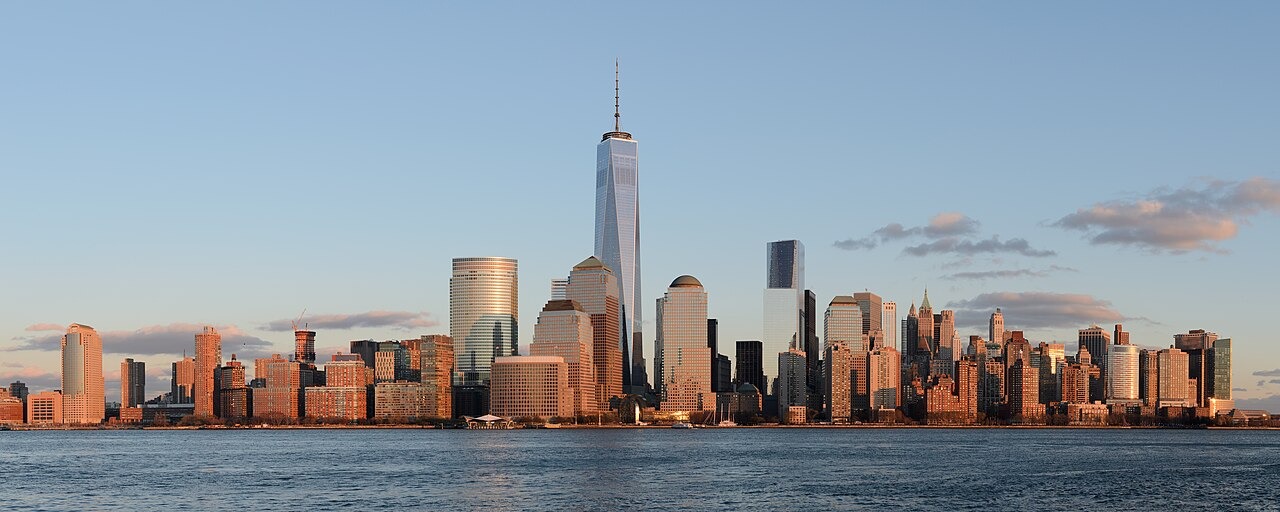
Final host
World Cup 2026 Schedule Host Cities: New York New Jersey
MetLife Stadium
8 matches - 82,500 seats Open New York New Jersey detail guide ->Host city map
Use the World Cup 2026 schedule host cities guide to compare all 16 host markets by full match dates, venues and fixtures. It connects group stage matches, knockout rounds, semifinals, the third-place match and the final with city-specific planning paths.
Host city planner
Use this city hub to narrow the 16 World Cup 2026 schedule host cities by country, region, full match dates, venue, group stage fixtures, knockout rounds, semifinals, third-place match and final planning value.
MetLife Stadium
8 matches - 82,500 seats Open New York New Jersey detail guide ->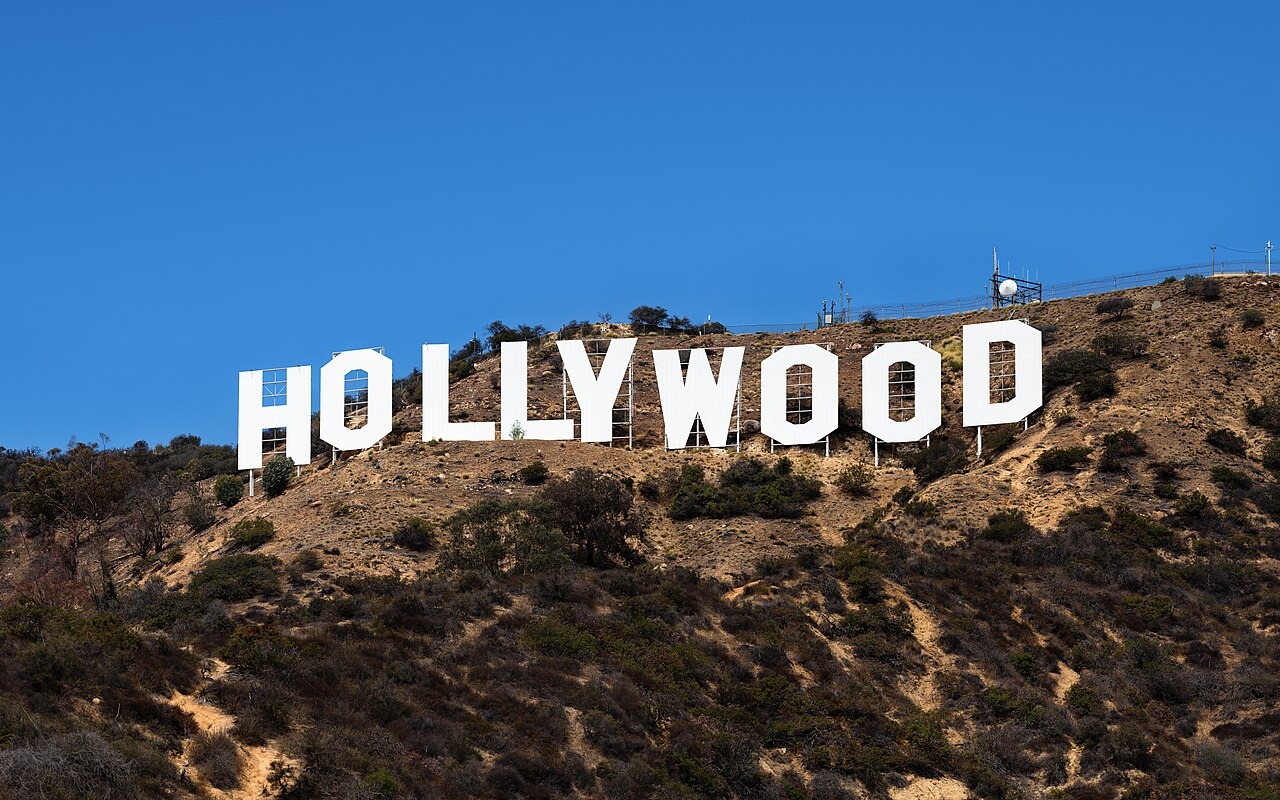
SoFi Stadium
9 matches - 70,240 seats Open Los Angeles detail guide ->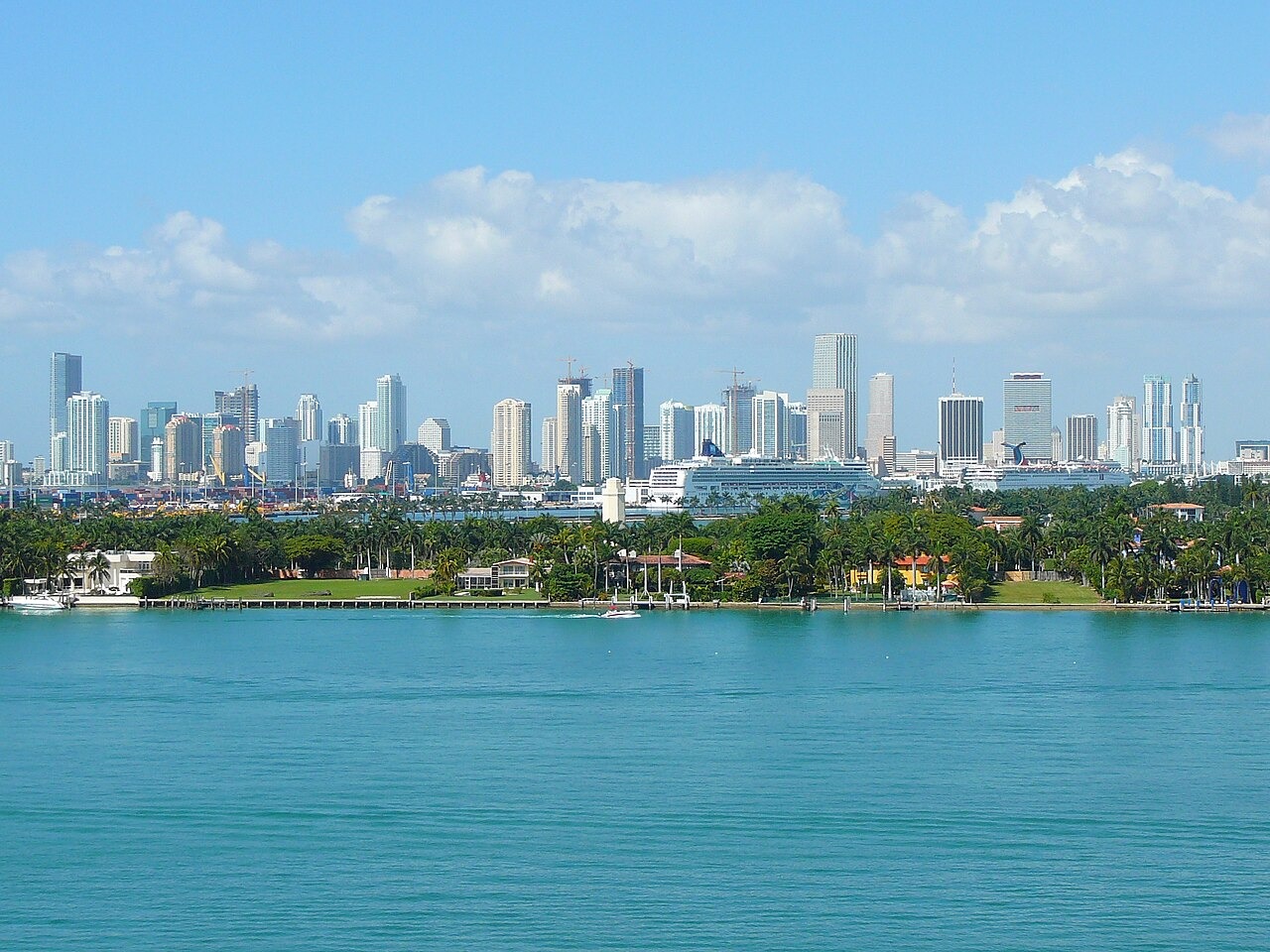
Hard Rock Stadium
7 matches - 64,767 seats Open Miami detail guide ->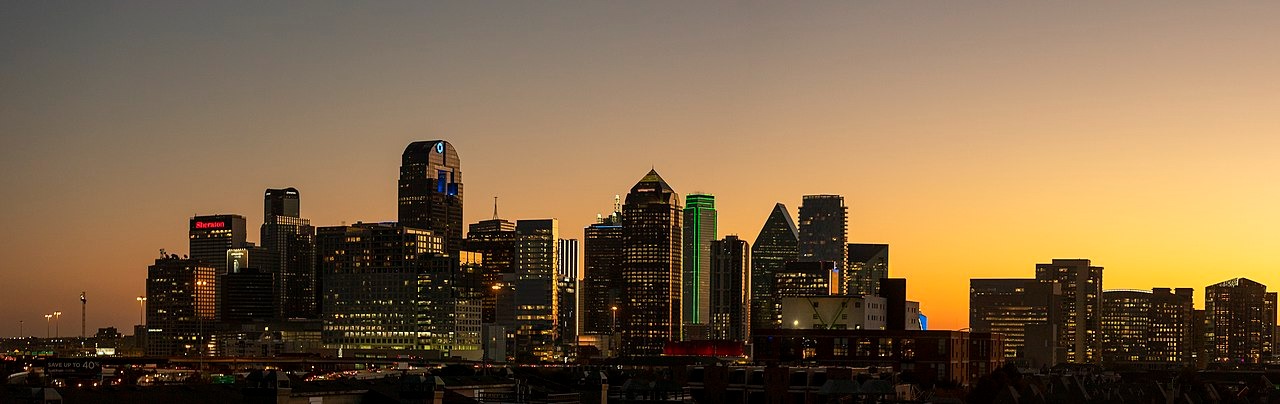
AT&T Stadium
9 matches - 80,000 seats Open Dallas detail guide ->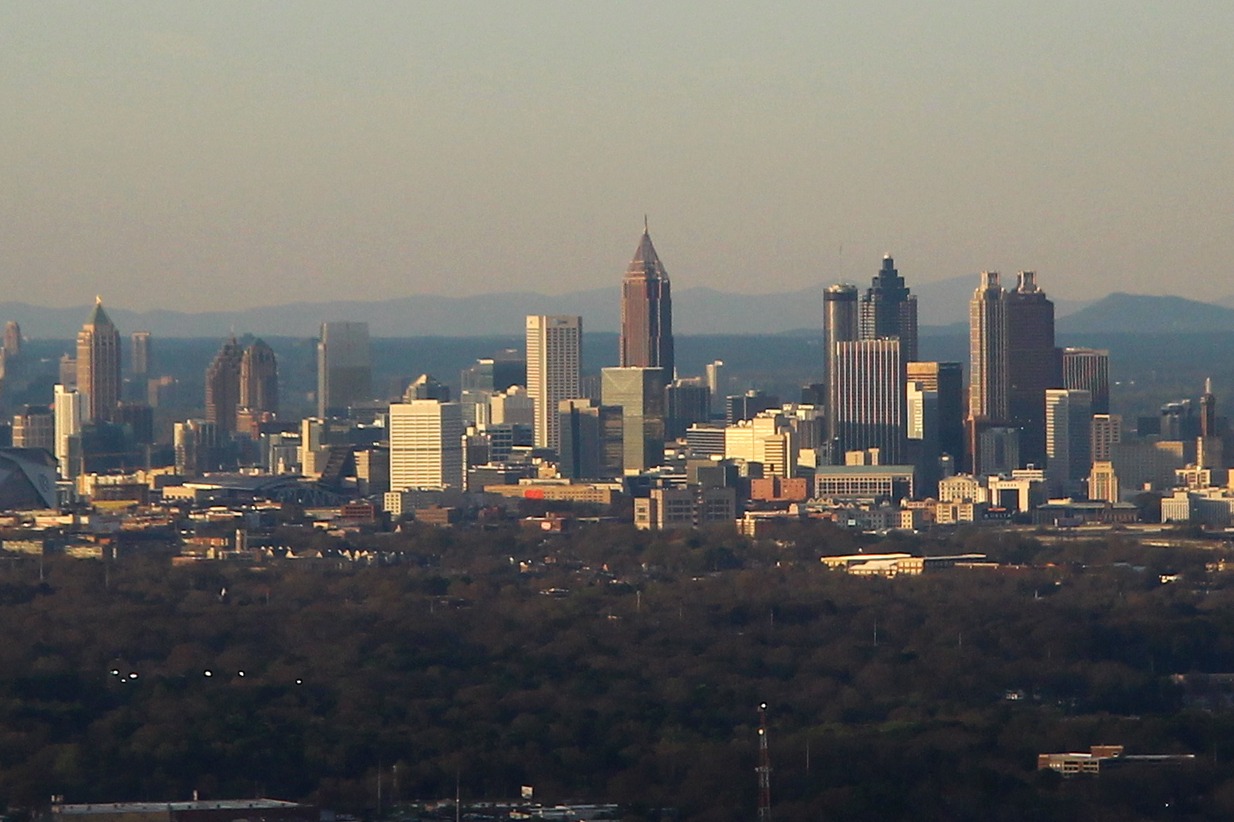
Mercedes-Benz Stadium
8 matches - 71,000 seats Open Atlanta detail guide ->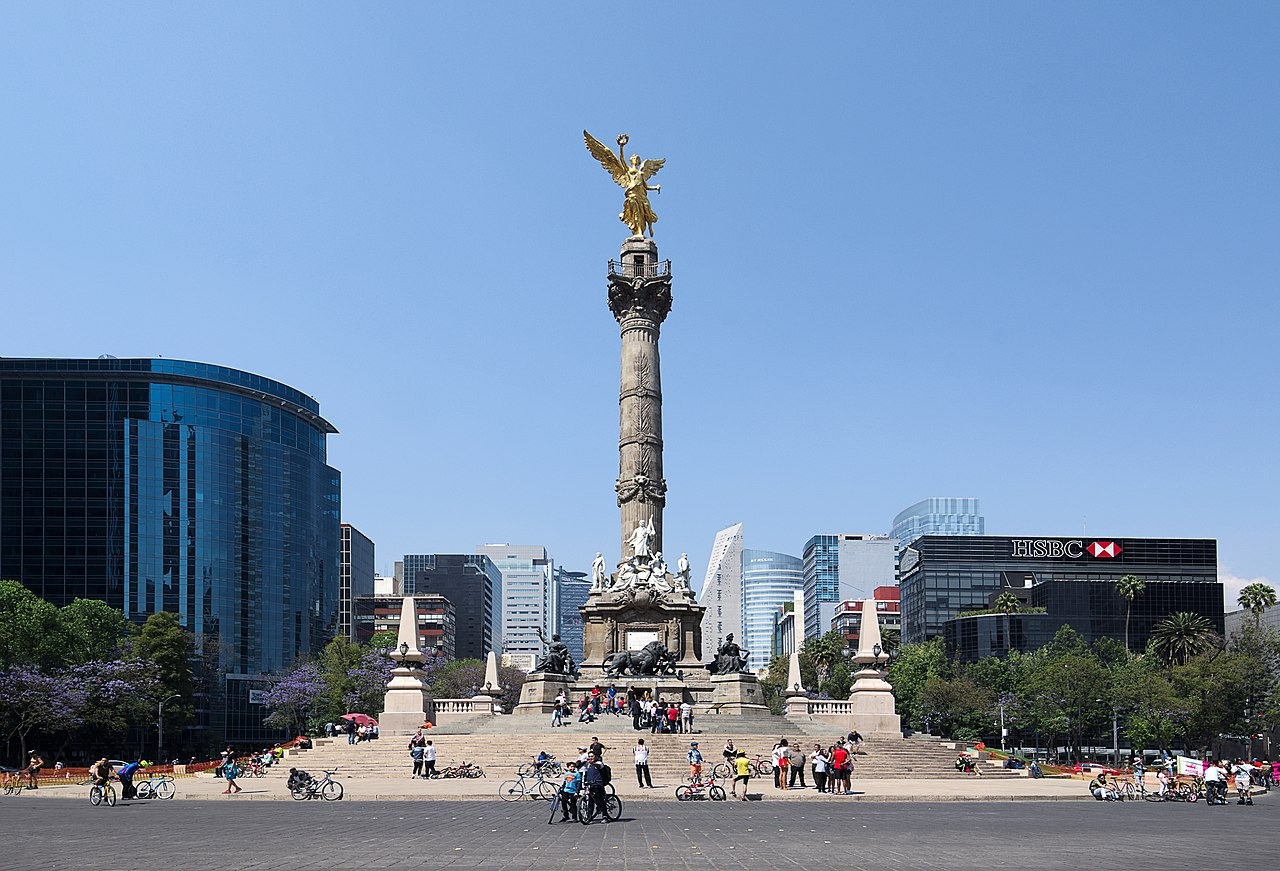
Estadio Banorte
4 matches - 87,523 seats Open Mexico City detail guide ->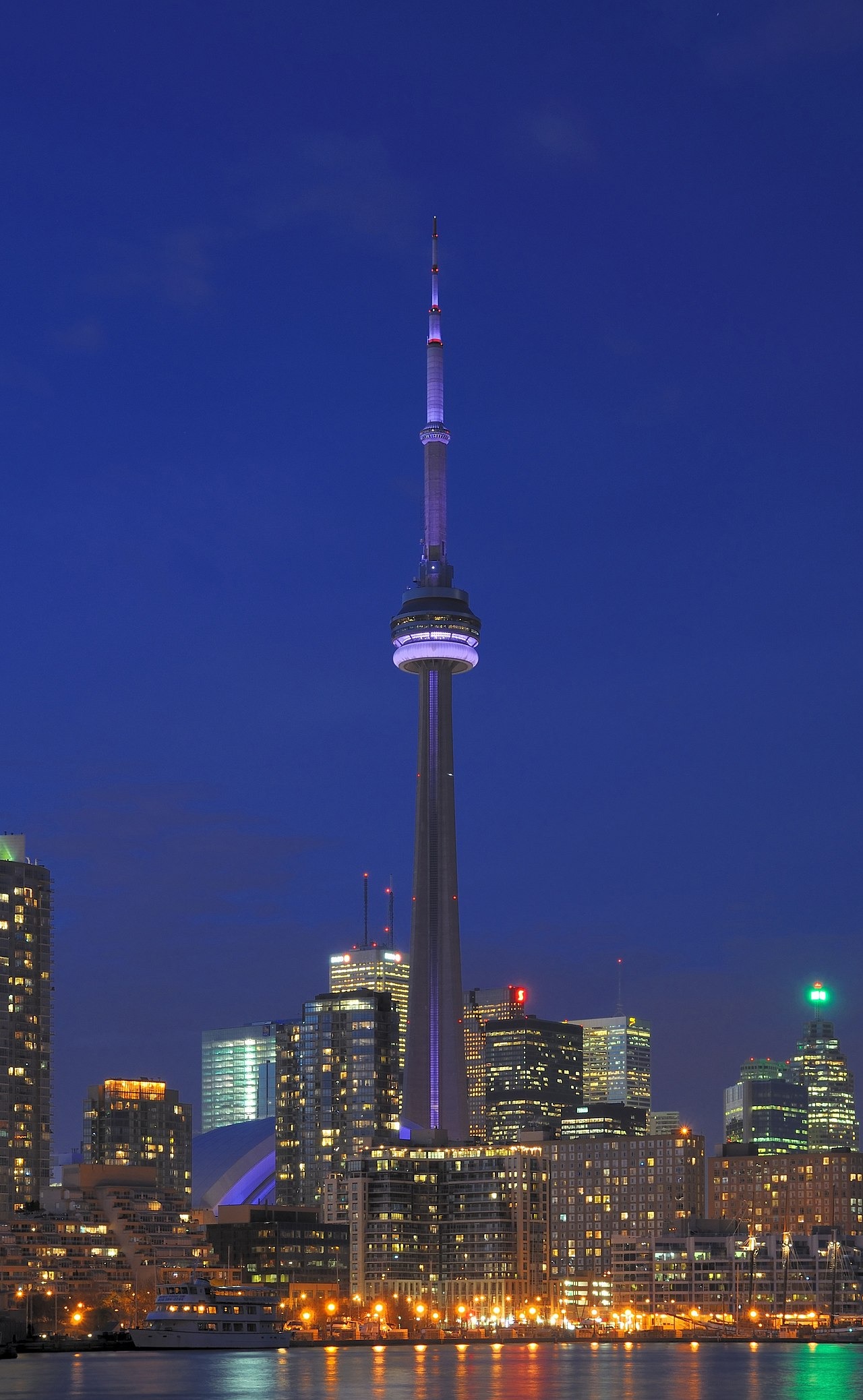
BMO Field
6 matches - 45,500 seats Open Toronto detail guide ->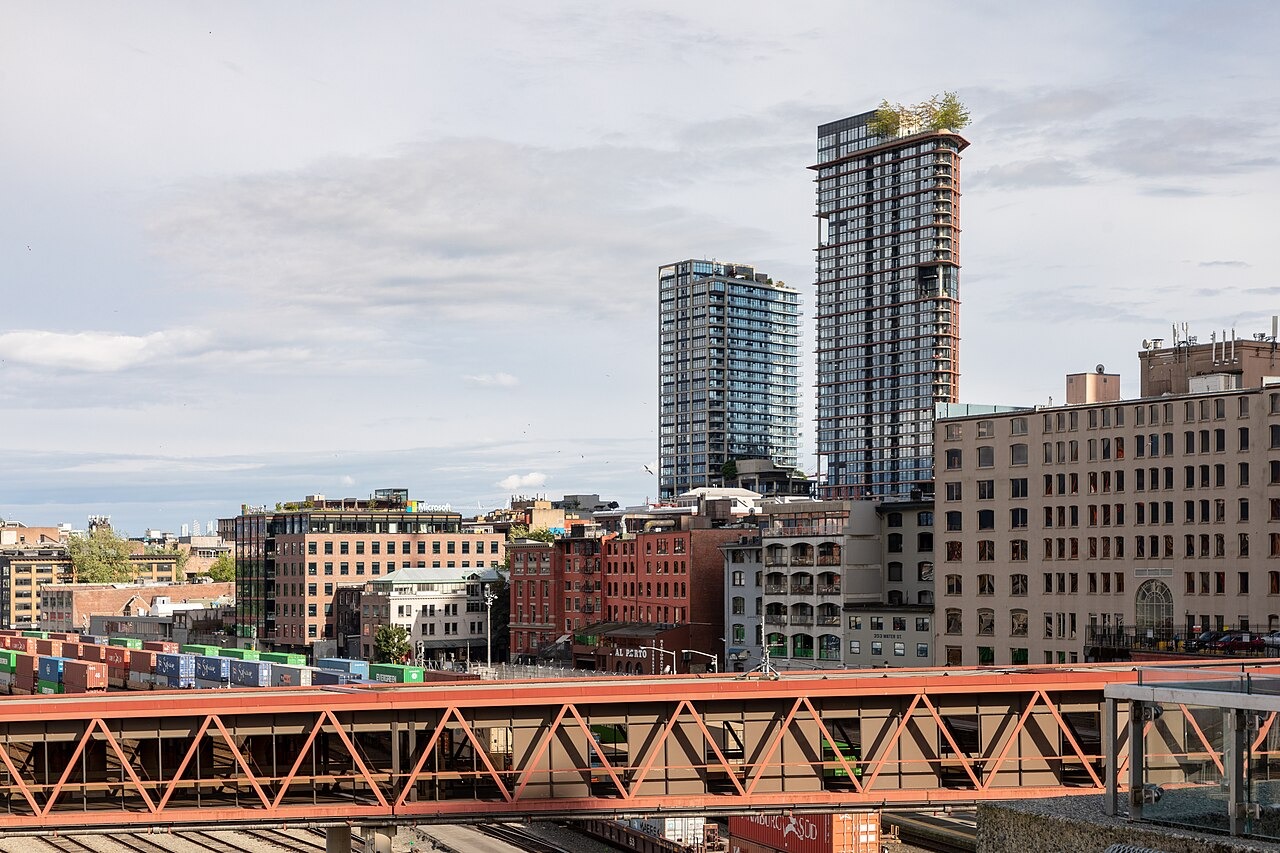
BC Place
6 matches - 54,500 seats Open Vancouver detail guide ->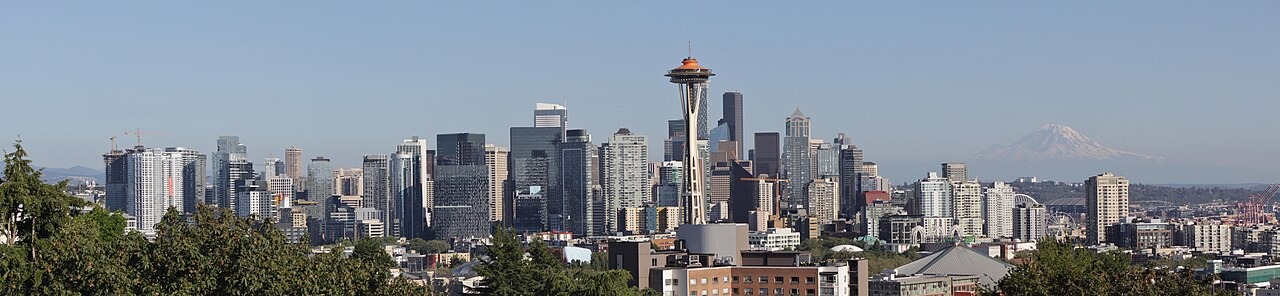
Lumen Field
6 matches - 69,000 seats Open Seattle detail guide ->
Levi's Stadium
6 matches - 68,500 seats Open San Francisco Bay Area detail guide ->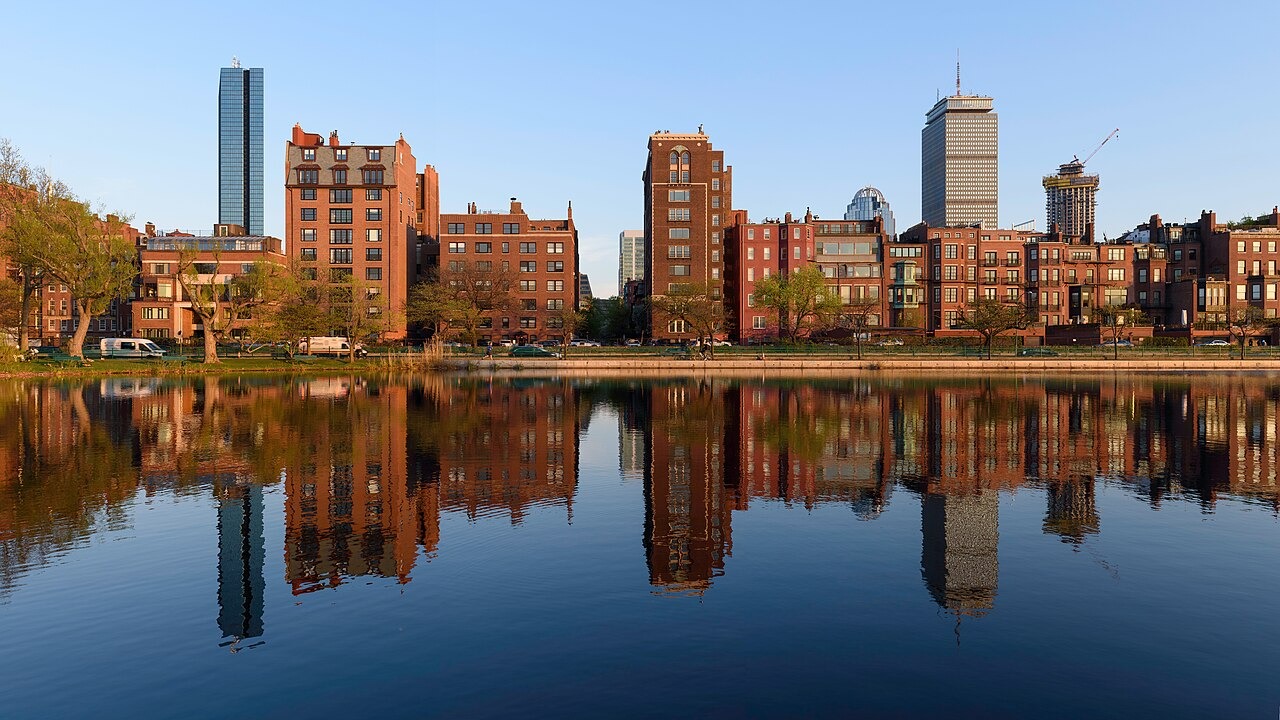
Gillette Stadium
8 matches - 65,878 seats Open Boston detail guide ->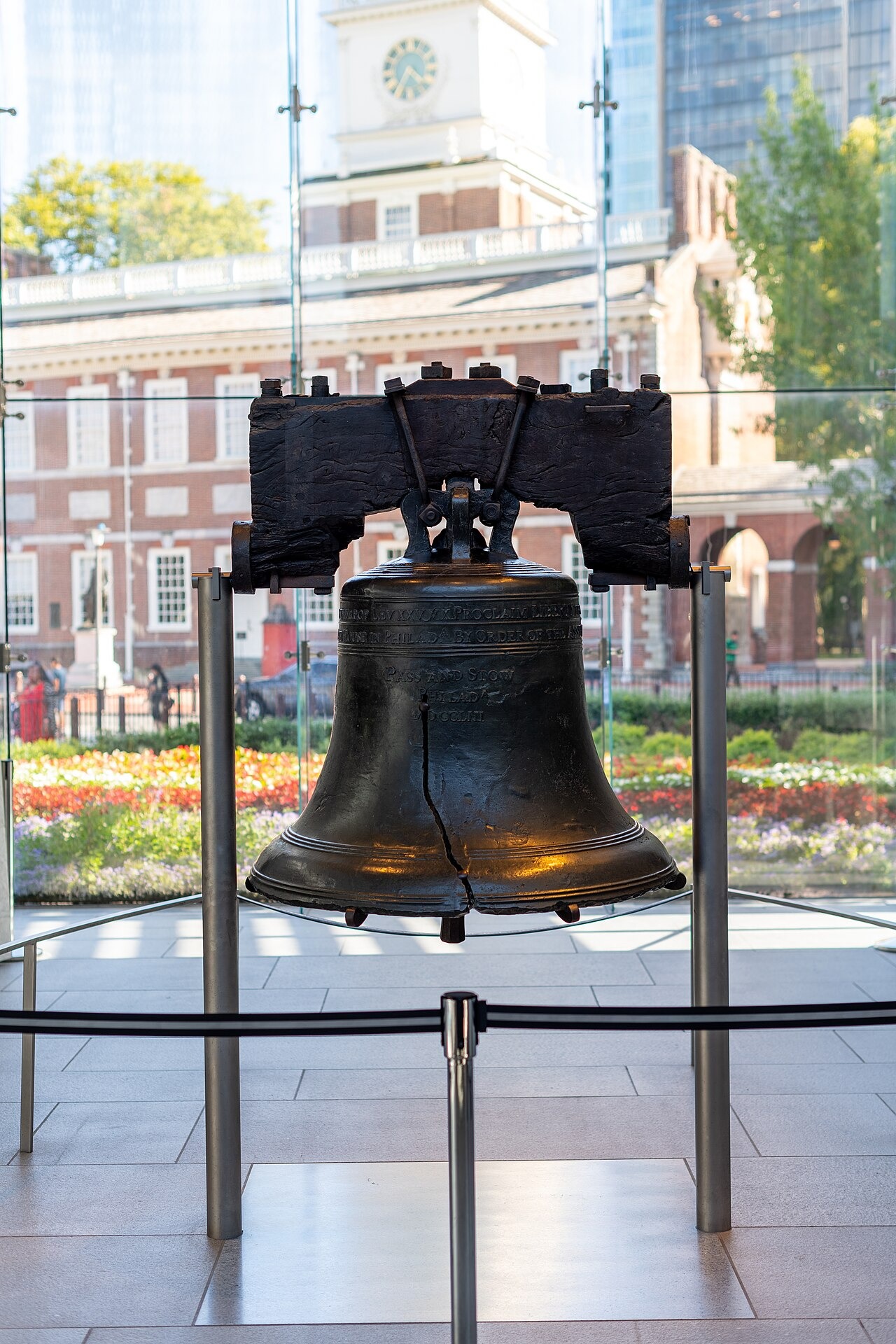
Lincoln Financial Field
6 matches - 69,879 seats Open Philadelphia detail guide ->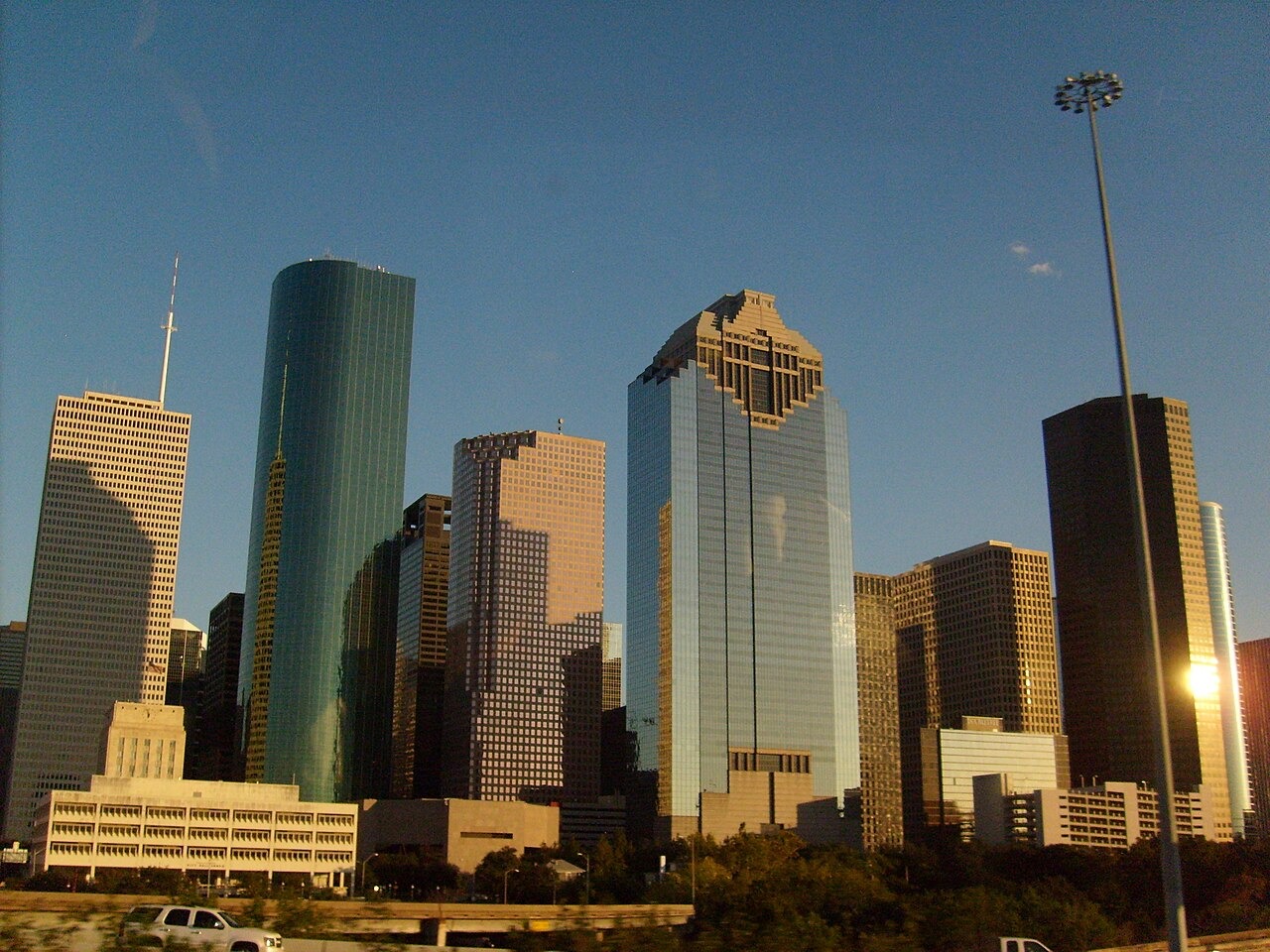
NRG Stadium
7 matches - 72,220 seats Open Houston detail guide ->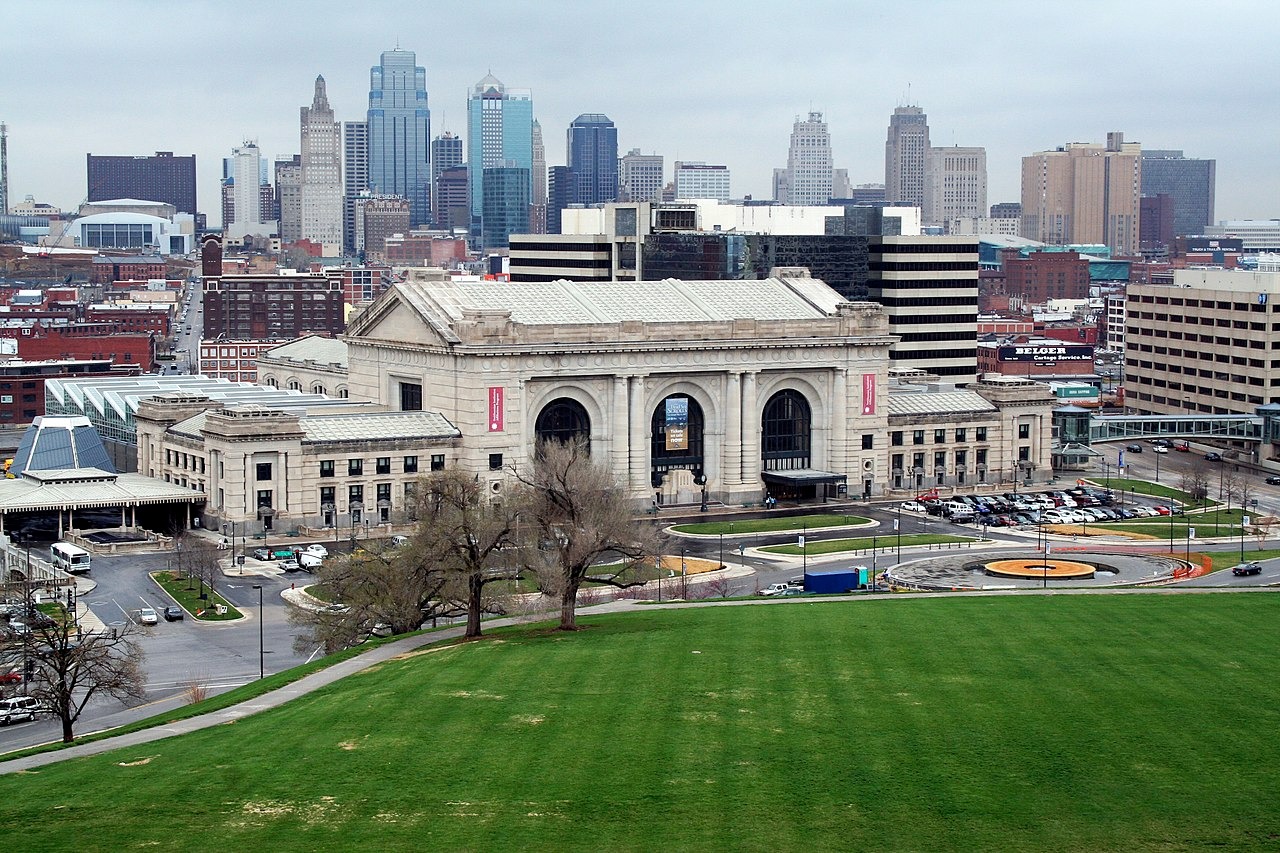
GEHA Field at Arrowhead Stadium
6 matches - 76,416 seats Open Kansas City detail guide ->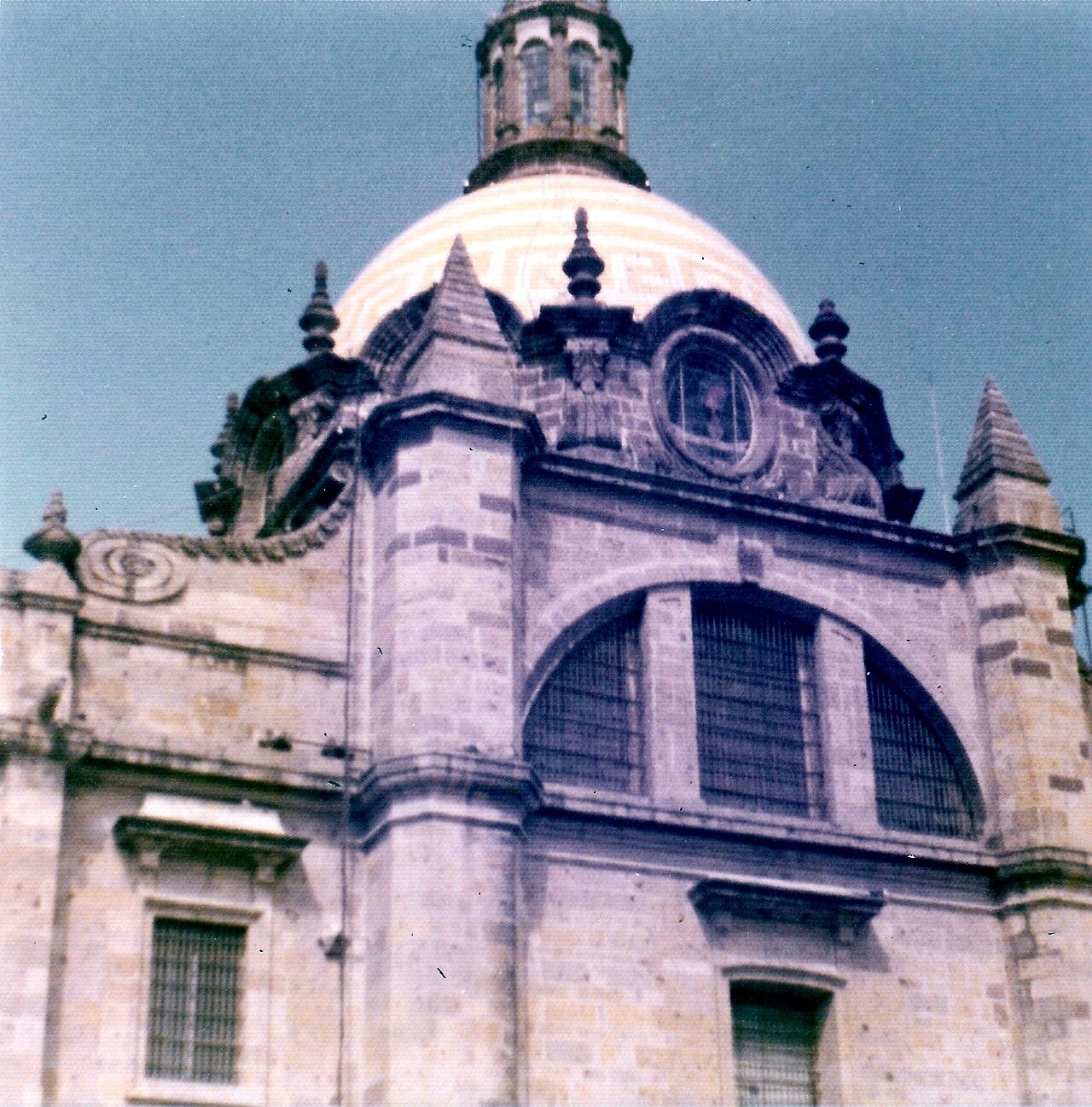
Estadio Akron
4 matches - 48,071 seats Open Guadalajara detail guide ->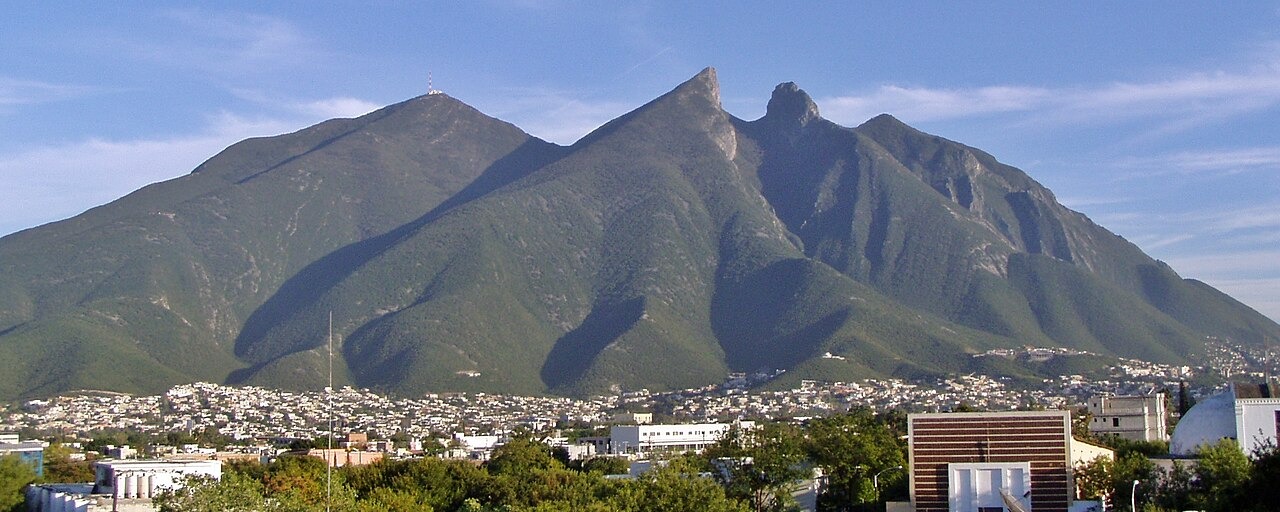
Estadio BBVA
4 matches - 53,500 seats Open Monterrey detail guide ->Start here when your priority is more fixtures in one market.
Use this path when late-round fixtures matter more than group volume.
Compare cross-border cities separately before checking documents, flights and local guidance.
Scan the Pacific-side route when travel time zones and west-coast airports matter.
Mercedes-Benz Stadium
Strong knockout route for fans following the bracket.
Gillette Stadium
Strong knockout route for fans following the bracket.
AT&T Stadium
High-volume base for comparing several match days in one market.
Estadio Akron
Cross-border planning stop with country-specific travel checks.
NRG Stadium
Strong knockout route for fans following the bracket.
GEHA Field at Arrowhead Stadium
Strong knockout route for fans following the bracket.
SoFi Stadium
High-volume base for comparing several match days in one market.
Estadio Banorte
Opening-match anchor with early tournament demand.
Hard Rock Stadium
Strong knockout route for fans following the bracket.
Estadio BBVA
Cross-border planning stop with country-specific travel checks.
MetLife Stadium
Championship-week anchor for fans planning the tournament finish.
Lincoln Financial Field
Focused city schedule for checking stadium, date window and stage mix.
Levi's Stadium
Focused city schedule for checking stadium, date window and stage mix.
Lumen Field
Strong knockout route for fans following the bracket.
BMO Field
Cross-border planning stop with country-specific travel checks.
BC Place
Cross-border planning stop with country-specific travel checks.
Start here when your main question is how many fixtures can fit into one travel market.
Use these cities when semifinals, the third-place match and championship timing matter most.
Compare Canada and Mexico cities separately because travel documents, airports and local logistics differ.
City planning workflow
Move from broad city comparison to a city schedule page, then confirm match details before travel, tickets or broadcast planning.
Decision guide
Filter by team first, then open the cities that appear in that team's route.
Filter by teamChoose cities with several fixtures or a date window that fits your arrival and departure plan.
Use Host Cities hub filtersUse the knockout preset to focus on cities that carry bracket-stage value.
Find knockout hostsAfter choosing a city, save the schedule as a printable PDF or sortable workbook.
Open downloadsSource and update checks
The city planner is useful for narrowing choices, but final decisions should be checked against official schedule, ticket and local venue information.
Use the FIFA match schedule as the primary reference when a group-stage fixture, knockout round, semifinal, third-place match or final venue affects travel plans.
Open FIFA schedule sourceThe city cards do not show ticket inventory. Use them to decide which matches to inspect, then confirm availability through official ticket channels.
Open FIFA ticket informationAfter choosing a city, check stadium operations, public transport, airport routes and local event guidance close to your travel date.
Use ticket planning guideQA completion
The host city hub now includes a final review layer for the remaining follow-up: mobile title density, card scanning and city-to-event navigation paths.
| Task | What to check | Next step |
|---|---|---|
| Compare match clusters | Use match count, date window and stage mix to see which cities fit a trip. | Open a city page before booking travel. |
| Follow a team route | Start with the full schedule if your priority is one national team. | Filter by team, then return to the city pages. |
| Focus on knockout value | Use the knockout preset when later-round venues matter more than group-stage volume. | Confirm the bracket path once teams advance. |
| Save a planning file | Use PDF for a printable overview or Excel when you want to sort cities and fixtures. | Keep downloads as planning aids, not official ticket proof. |
Yes. City pages should combine fixture information with stadium access, airports, hotel areas, ticket reminders and local planning notes. The city hub should help you choose where to look next, while each city page should handle the local details.
Dallas, Atlanta, Los Angeles and New York New Jersey should be built early because they combine strong match volume, stadium interest and travel search demand. Mexico City, Toronto and Vancouver also need careful local context because cross-border planning questions are different.
Use the city planner controls to filter by country, match volume, knockout value or final-week route. Then open the city schedule page that matches your trip window, team route or stadium interest.
No. The cards are planning shortcuts built from the site schedule dataset. Use them to compare cities and find the right next page, then confirm paid or time-sensitive decisions with FIFA, the relevant host city, the stadium and official ticket sources.
Yes, but use it as a starting point. The page can show city clusters, date windows and stage mix, while hotel, transport, airport, ticket and stadium-access details should be checked against current official or local sources before booking.